
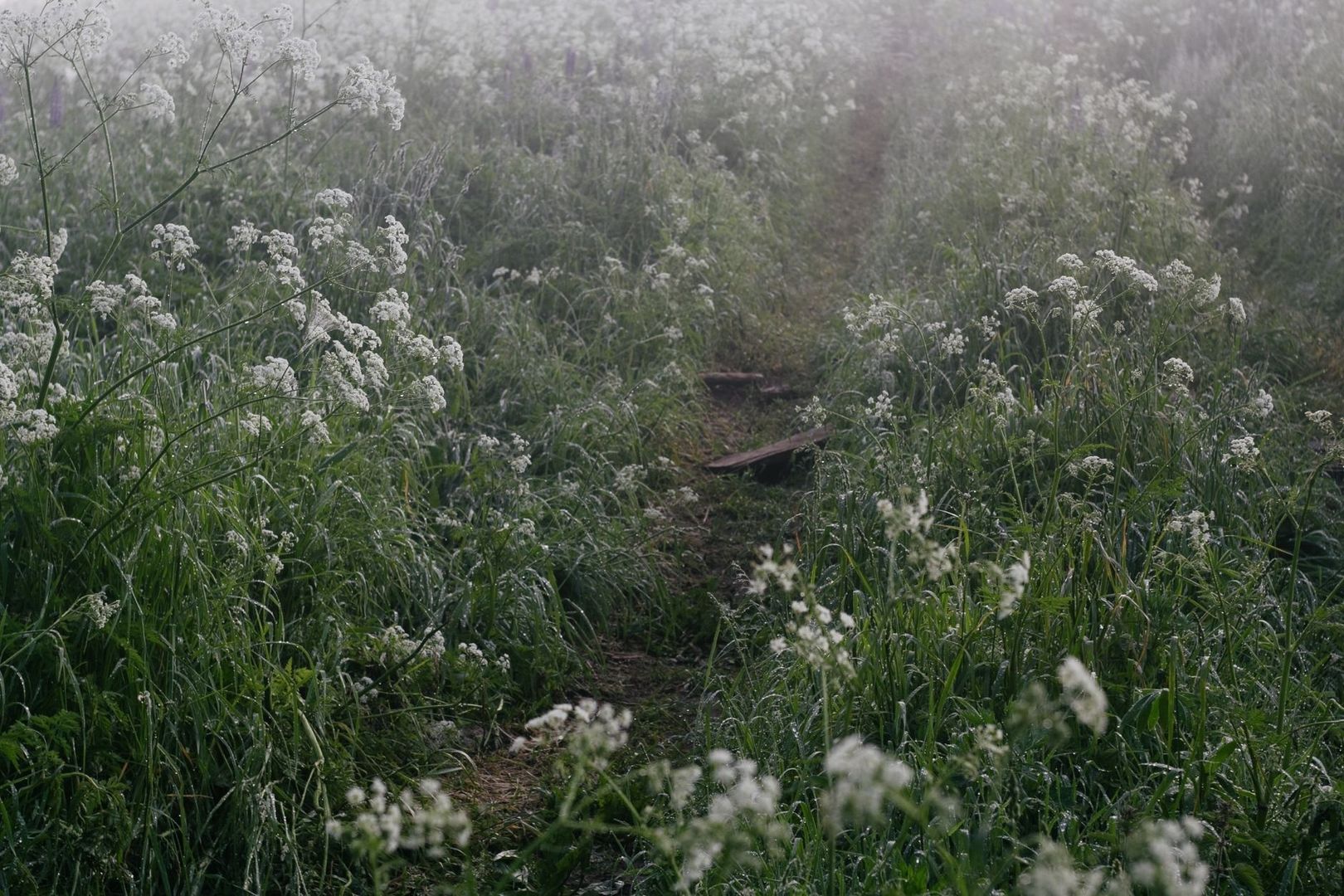
The phrase “walking simulator” began as a dismissive label, a way of reducing games built around movement, observation, and conversation to a joke about the absence of combat. Yet the best examples turn walking into an active critical instrument. Their apparent simplicity is the point. Without an inventory stuffed with weapons or a quest marker shouting for attention, the player has to read the ground, notice what has been fenced off, and listen to the stories that architecture and weather quietly preserve.
That matters especially in Britain, where the countryside is routinely presented as a serene national postcard. The hedgerow, village green, ruined chapel, and public footpath appear to belong to everyone, but the legal and social reality is far less generous. Rural space is shaped by private estates, vanished commons, contested access, agricultural policy, tourism, class, and histories of displacement. British indie games use ambient navigation to expose those tensions. Their landscapes are not neutral backdrops. They are ideological battlefields, rendered in polygons and explored one uncomfortable step at a time.
England”s countryside carries the memory of mass trespass. The 1932 Kinder Scout protest, when ramblers entered privately owned moorland in the Peak District, remains a defining image of ordinary people challenging aristocratic control of the landscape. Decades later, access is still fragmented. Nick Hayes”s The Book of Trespass, as discussed in this examination of English property law, argues that the public can roam across less than 10 per cent of England, while public footpaths have dramatically declined since the nineteenth century.
Digital countryside games offer an uncanny reversal. The player can cross a field, enter a derelict building, follow a river upstream, or approach a manor that would be inaccessible in physical life. This freedom can feel like a fantasy of universal access, but the illusion becomes most politically interesting when games reproduce boundaries rather than erase them. A locked gate, an invisible wall, a missing bridge, or a path that abruptly terminates can make property law visible as design.
The virtual landscape therefore becomes a space of mass roaming across proprietary soil. Every player repeats the trespass, but each game can frame that act differently. Some worlds make access feel liberating; others make it suspicious, dangerous, or morally complicated. Designers can use collision systems and route planning to ask who gets to move without explanation, who is stopped by a fence, and whose presence is treated as an intrusion.
The crucial distinction is that a game does not merely depict the right to roam. It lets players feel the politics of movement through friction, detours, uncertainty, and discovery. For a concise account of the legal history and present limits of public access, the UK Parliament”s briefing on rights of way and access provides the institutional context that virtual trespass often dramatizes.
Psychogeography begins with a simple but powerful proposition: places shape feeling, behaviour, and thought. The term was codified by Guy Debord in 1955, drawing on the figure of the flâneur and the Letterist and Situationist interest in playful, disruptive ways of navigating everyday environments. The tradition is often associated with cities, but its methods travel easily into fields, moors, estates, and village lanes. A landscape becomes legible not only through its map coordinates, but through the emotions and power relations it produces.
That lineage helps explain why a slow rural game can feel more politically charged than a visually spectacular open world. The player”s route is not simply a means of reaching the next objective. It is a method of collecting atmosphere. A boarded-up pub, a humming pylon, a path swallowed by bracken, or a memorial with its lettering worn away can carry more narrative force than a cinematic cutscene. Folklore becomes environmental memory, while weather and sound turn geography into mood.
The approach is visible in the critical discussion around Kentucky Route Zero, whose displaced travellers move through reclaimed, repurposed, and economically damaged spaces. Its roads and waterways feel less like a stable map than a psychological network shaped by debt, redevelopment, precarious labour, and homelessness. The game”s long journeys resemble public transport: bodily, mundane, and strangely detached from ordinary time. British walking simulators inherit that sensation while redirecting it toward the particular pressures of rural heritage and land ownership.
| Design element | What it can investigate |
|---|---|
| Drifting routes | How official maps suppress unofficial memories and local shortcuts |
| Ambient sound | How machinery, bells, birdsong, and silence reveal social presence or abandonment |
| Fragmented testimony | How contested histories survive through partial, unreliable, or marginal voices |
| Reused buildings | How communities adapt spaces shaped by extraction, redevelopment, or institutional decline |
| Changing weather | How atmosphere destabilises the picturesque image of rural permanence |
For readers wanting the theory in accessible form, this overview of psychogeography traces the concept”s Situationist origins and its later influence on artists, writers, and filmmakers. In games, the equivalent of the dérive is not simply wandering without purpose. It is wandering with heightened attention, allowing the environment to redirect the player”s assumptions.
British village nostalgia is a powerful cultural machine. It sells cream teas, heritage railways, neatly restored cottages, and the fantasy that social life once operated at a manageable human scale. Indie games tend to place a hairline crack through that image. The green may be immaculate, but the hall is empty. The church bells sound too close. The local archive has gaps where uncomfortable names should be. A supposedly timeless community reveals itself as a carefully edited story.
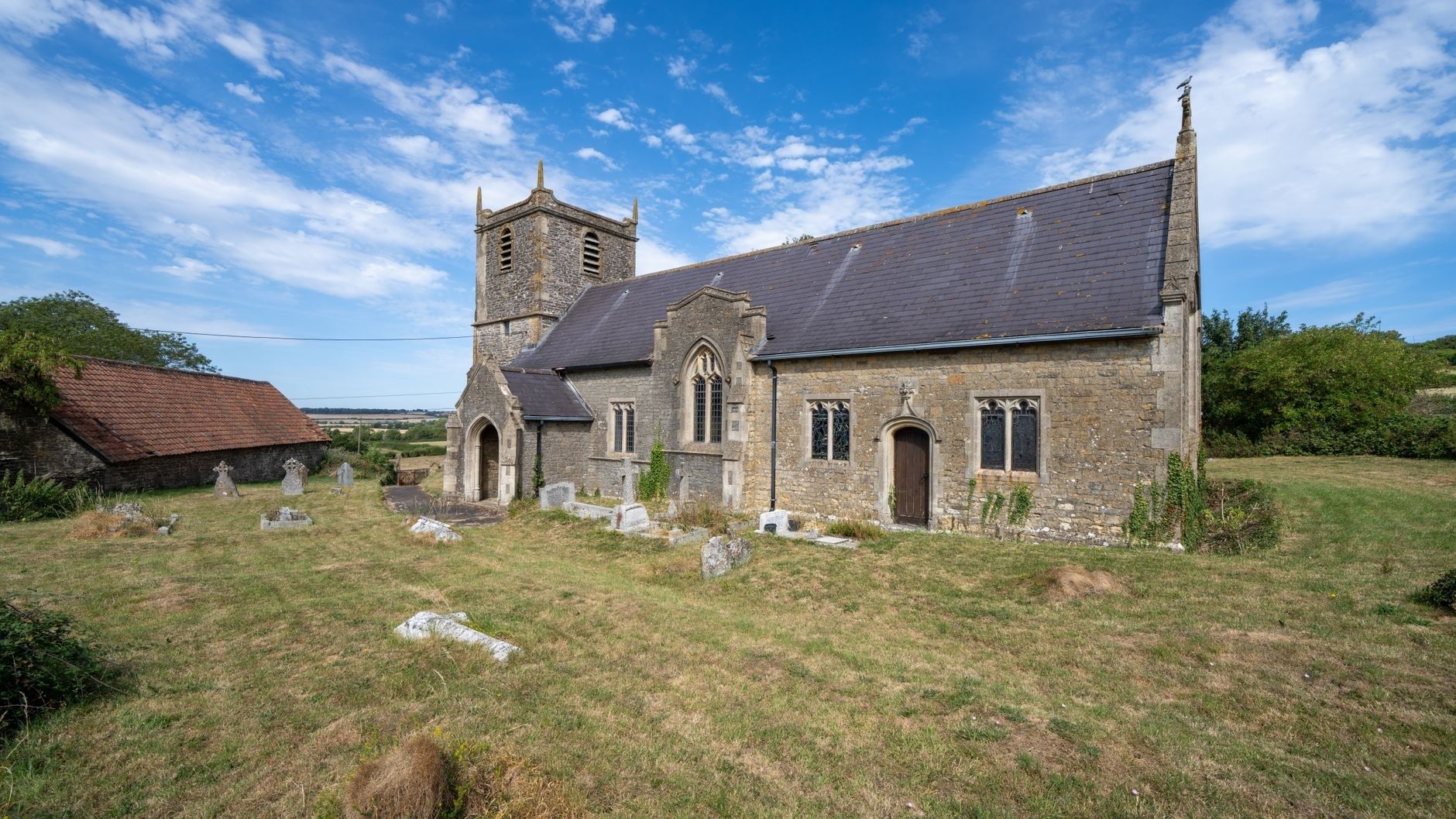
Folk horror is an especially effective tool for disrupting pastoral comfort. Its isolated houses, ritual objects, old songs, and hostile landscapes insist that rural space contains histories that cannot be absorbed into tourism branding. The critical discussion of Damian McCarthy”s folk horror work, notably in Oddity and Caveat, is useful here, even though it concerns film rather than games. Its isolated country residences, claustrophobic rooms, mournful sounds, and uncanny folkloric figures show how terror can emerge from the collision between personal grief and an environment that refuses to become decorative.
In a walking simulator, the scare may be less important than the residue left behind after it. A folk tale can encode class resentment, gendered violence, religious authority, colonial inheritance, or the disappearance of communal land. Narrative vignettes are particularly valuable because they allow designers to resist a single official account. A farmworker, a displaced tenant, a child, a migrant, or a former village resident may each describe the same location differently. The player does not receive a clean master narrative. The player assembles a contested one.
This is where nostalgia becomes an object of investigation. The village is not condemned because it is rural; it is interrogated because its image of harmony depends on forgetting who worked there, who was expelled, and who was never invited into the picture.
A useful set of reference points begins with Kentucky Route Zero, even though its landscapes are American rather than British. Its lessons travel well: roads can be systems of displacement, infrastructure can become dream architecture, and apparently abandoned spaces can be crowded with people living between economic categories. Its influence is valuable for British designers because it demonstrates how a game can make debt, redevelopment, and homelessness felt through navigation rather than exposition.
British and British-adjacent rural works often push that method toward pastoral dread. The landscape appears open, but the player discovers that openness is unevenly distributed. A moor may suggest radical freedom while concealing military use, private shooting rights, or ecological damage. A parish hall may promise community while its silence exposes demographic collapse. A haunted building may be frightening because of supernatural forces, but also because its history has been polished into heritage and stripped of accountability.
For narrative designers, the central takeaway is that landscape design can carry an argument before a character speaks. Route compression can make a public path feel precarious. A beautiful vista can be framed from behind a fence. Repeated detours can communicate bureaucratic power more effectively than a villainous landowner. Even a small prototype can make ownership visible by asking players to notice where movement is encouraged, where it is punished, and whose version of history determines the map.
British walking simulators transform the player from a passive tourist into a critical wanderer. Their environments demand attention to thresholds, absences, sounds, and the emotional charge of ordinary places. Walking becomes a form of reading, while reading becomes a form of participation. The player does not simply consume a rural image; the player tests it, crosses it, and sometimes discovers the people and histories that image was built to exclude.
That makes independent game design an urgent medium for land reform discourse. These games cannot reopen a footpath or dismantle an estate, but they can change what players notice when encountering a gate, a ruined building, a public sign, or an apparently timeless village. After the screen goes dark, the useful question is not whether the countryside looked beautiful. It is who owns it, who can enter it, whose story has been preserved, and what forms of collective access might still be reclaimed.